
On the first day of school, Mrs. Fuller presented her 8th grade students with a daunting task. Without using phones or reminders, they had to read detailed instructions and work together to complete a series of steps from a list. Individually, the steps were easy. Getting the entire group to complete all the steps precisely, in order, and in a timely fashion was the challenge.
Each step was numbered, and each student was assigned to a number. Student 1 stood and wrote the date on the board. Immediately afterward, student 2 recited the school creed. Then, in step 3, students 8, 14, and 22 turned to face the back of the room. The process continued similarly for 25 steps.
Each time a student lost focus, hesitated too long, or forgot their part, the group had to start all over again. To be successful, each student had to understand the step assigned to them, remain focused, and—most importantly—watch their classmates for physical cues to know when to act. These were skills they seldom use in their daily lives as digital natives. The activity exercised students’ interaction skills—listening actively, observing and responding to the actions of others, and focusing on the task at hand even when not actively involved.

Unfortunately, the habits that make using digital media efficient, effective, and enjoyable can cause students to struggle in real-life classrooms.

Teaching Digital Natives
Why did Mrs. Fuller start the year this way? Because, like many other teachers, she knew that the current generation has been immersed in a digital world from an early age, impacting their cognitive, social, emotional, and physical development. The way they interact in real life is influenced by the digital world in ways that cause many teachers to say, “This group is different.” And therefore, how we teach them basic skills might be different as well.
One of the results of children’s widespread use of technology, screens, and digital or social media is that children’s brains develop habits that work well for the digital world, but are less successful in real life. In the digital world, it takes the average user less than 10 seconds to determine whether to watch a video or read a post. If the content does not instantly engage them, they simply click or swipe to move to the next site, video, or post. When users choose to engage with specific content, they have unlimited options for learning what is being presented. They can slow it down or speed it up. They can stop and go back to any point and replay it. They can rewatch the video as many times as they want.
Similarly, on social media, there are no rules for taking turns in conversations. Active listening is not expected. Users don’t have to immediately read body language or social cues when engaging with content. They also don’t need to be concerned about their own body language, how they are perceived physically, or how the other person feels or reacts. Digital media users can, and typically do, maintain multiple online conversations at the same time because they don’t have to devote their full attention to any single one.
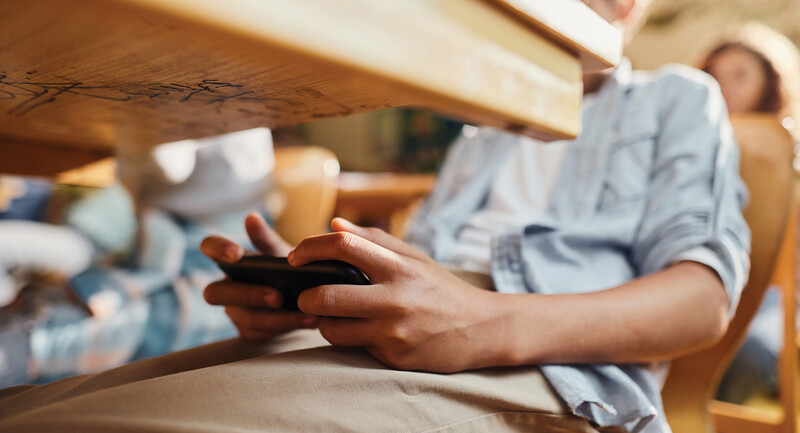
Unfortunately, these habits that make using digital media efficient, effective, and enjoyable can cause students to struggle in real-life classrooms. Teachers see these behaviors as problems because they make students appear behind in developing learning and social skills. Figure 1 shows what that mismatch looks like in practice—and how easily a digital habit can be mistaken for a deficit.

Although these behaviors might feel like deficits, they are simply adaptations. Our brains adapt based on our routines. That cognitive flexibility is a feature, not a bug. If we teach students the skills of IRL (in real life) interaction, they can develop the ability to learn and communicate effectively in both digital and physical spaces.
From Scrolling to Listening
Just as previous generations had to be taught how to effectively use and interact with technology, current students must be taught how to effectively interact in real-life classrooms. Here’s how teachers can incorporate IRL interaction skills into instruction at every grade level instead of waiting to intervene when students struggle:
- Early in the school year, open a discussion about interacting digitally versus in real life. Help students identify how and why they behave differently online.
- Set joint expectations for personal interaction. Just as you routinely discuss classroom and behavioral expectations, it is important to establish shared expectations for interacting with others. Don’t assume students will automatically adopt the social skills you live by.
- Provide students with opportunities (and incentives) to practice IRL interaction. Incorporate activities and lessons that require students to use their skills, such as debates or Socratic seminars. Be sure to give them “fair warning”—a brief review of how they should interact—before they begin.
- Directly teach students to translate their writing, oral presentations, and discussions from being digitally effective to IRL effective and vice versa. Help students practice listening in real life without the options digital media provides.
Today’s students need fluency with both digital and IRL communication, interaction, and learning. It is time we teach them the skills, expectations, and routines that will allow this group to be not just “different” but better.